CNC Turning
What is CNC turning process?
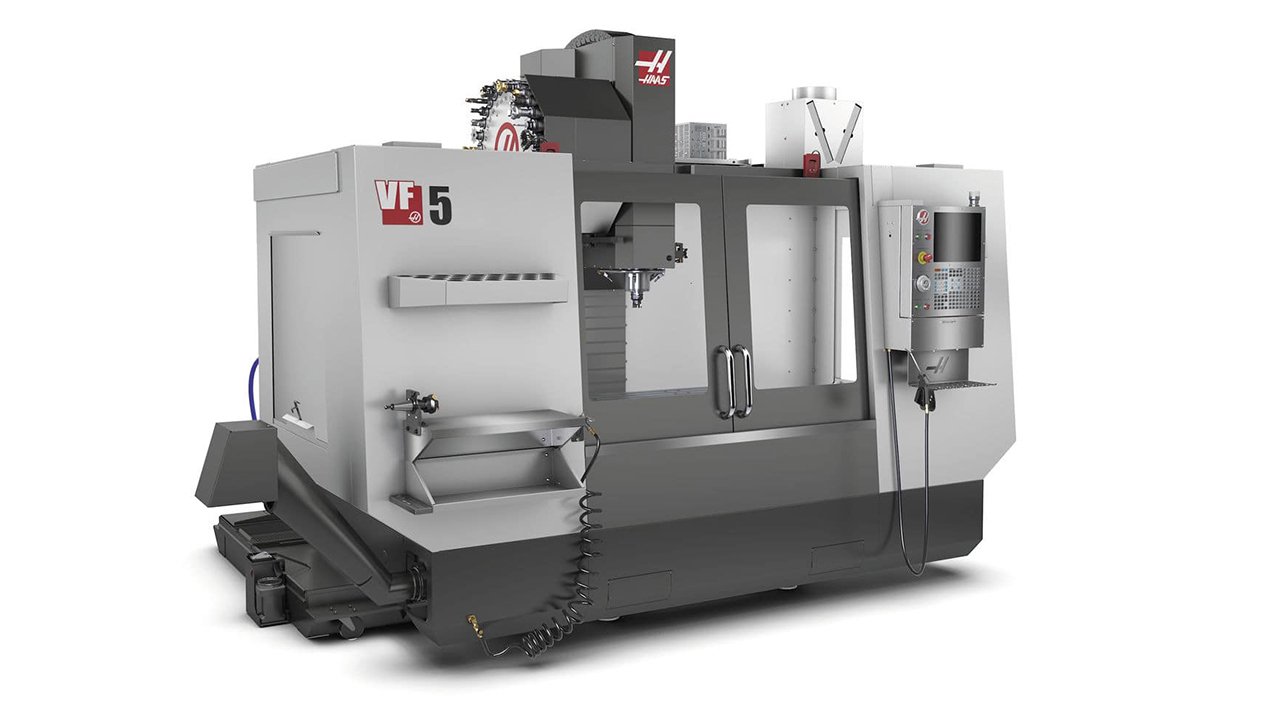
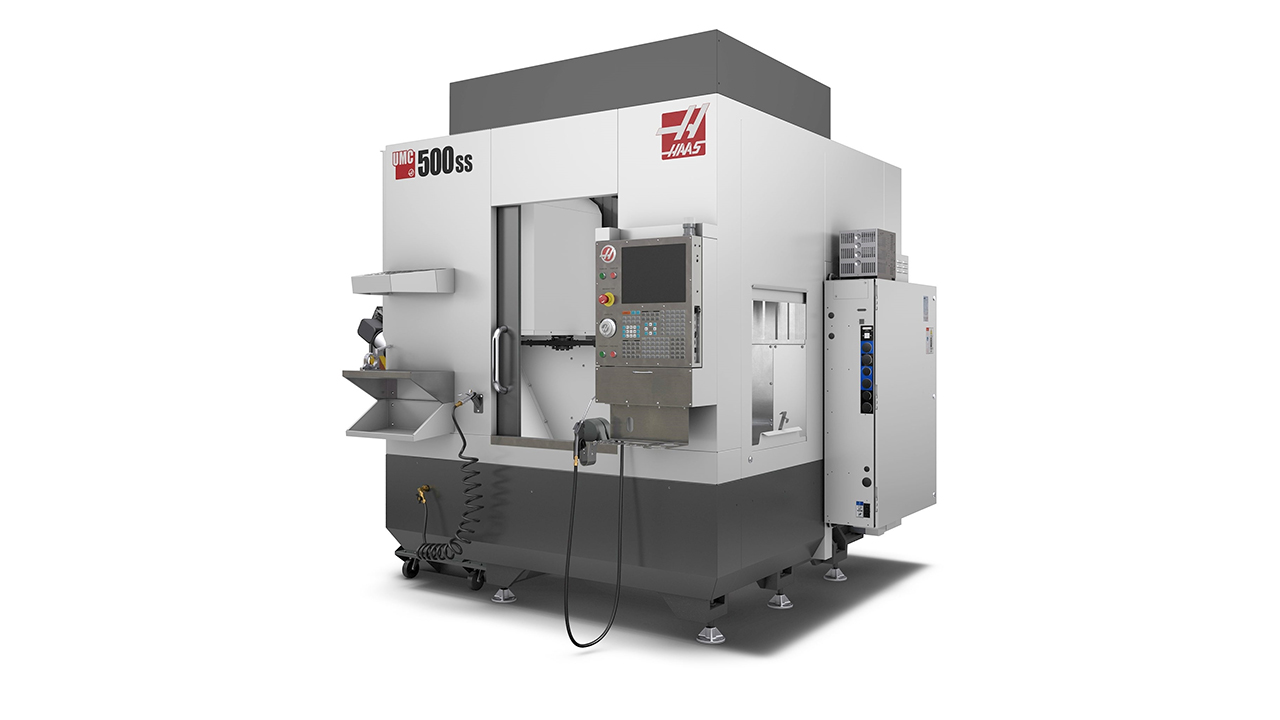
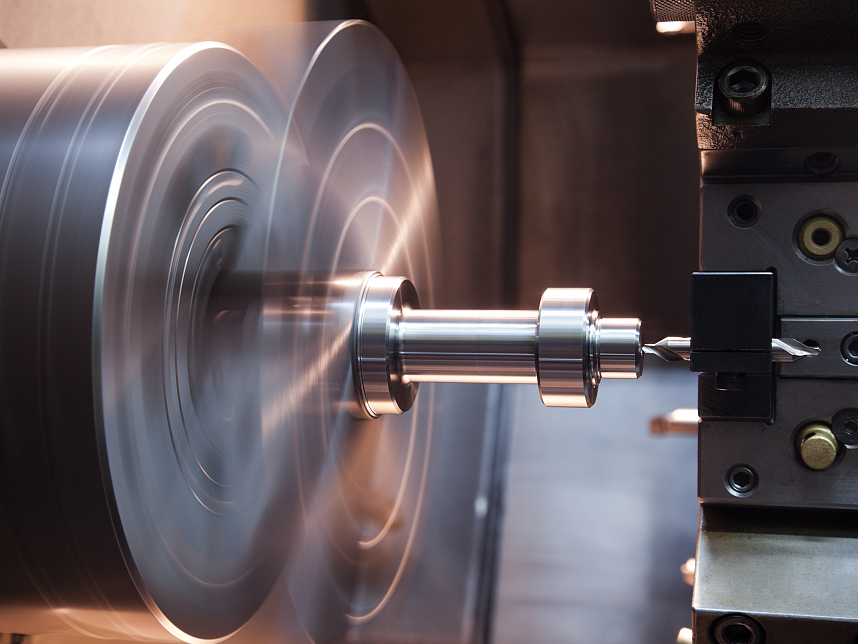
In conventional cognition, turning is a form of machining, a material removal process, used to make rotating parts by cutting off unnecessary materials. The turning process requires a machining lathes or CNC turning center, workpiece, fixtures and tools. The workpiece is a piece of preformed material fixed on a fixture, and the fixture itself is connected to the lathe and allows high-speed rotation. The knives are usually single-point cutting tools that are also fixed in the machine, although some operations use multi-point tools. The cutting tool feeds the rotating workpiece and cuts off the material in the form of small chips to form the desired shape.
The turning process is a form of CNC machining, which is a material removal process. The turning process can be a kind of cutting process. However, if it is classified according to the processing method, the turning process can be at the same level as the turning process. Turning manufactures lathe machine parts by cutting out unwanted materials. The turning process requires a CNC turning center, workpieces, fixtures and tools, and this turning process is the process of CNC turning services.
Why Choose Our VENSUN MACHINERY CNC Turning Service?
①We offer fast global delivery.
②We have more than 10 years of professional CNC turning service experience.
③We have passed AS9001 certification.
④We can provide a variety of surface treatments, as well as a wealth of CNC turning processing methods.
CNC Turning Operations Specific Operation Content Introduction:
Tapered turning: produce a cylindrical part of which diameter decrease from one end to another.
Hard turning: suited for materials with a Rockwell C hardness greater than 45, typically performed after heat treated.
Spherical generation: create a spherical finished surface, turning around fixed rotary axis.
Facing:Turning operation in which a CNC turning service factory processes a workpiece to its center.
Parting: create deep grooves that remove a completed or part-complete component from its parent stock.
Grooving: similar to parting, but only cut to a specific depth from outside or inside of workpiece.
Drilling: The CNC turning service factory fixes the drill bit on the tailstock or tool turret of the lathe, and removes material from the inside of the workpiece to drill the hole.
Boring: enlarge or smooth an existing hole.
Knurling: cut serrated pattern onto the surface of workpiece with knurling tool, to change or enhance visual effect or hand grip.
Reaming: remove a small volume of materials from a drilled hole, for highly accurate diameters.
Threading: turn standard and non-standard screw threads, generally means single-point threading.
Polygonal turning: non-circular forms machining operation without interrupting the rotation of the raw material.