CNC Drilling
Why Choose Our VENSUN MACHINERY CNC Drilling Service?
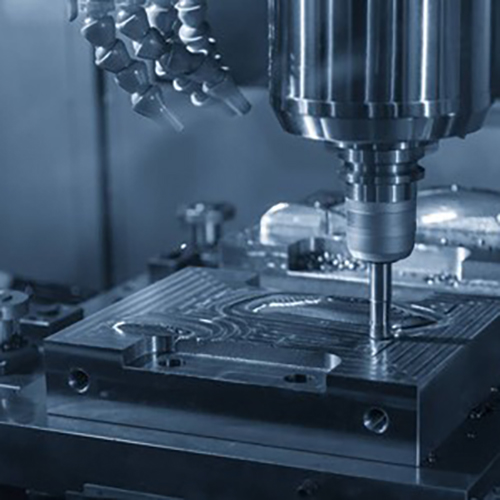
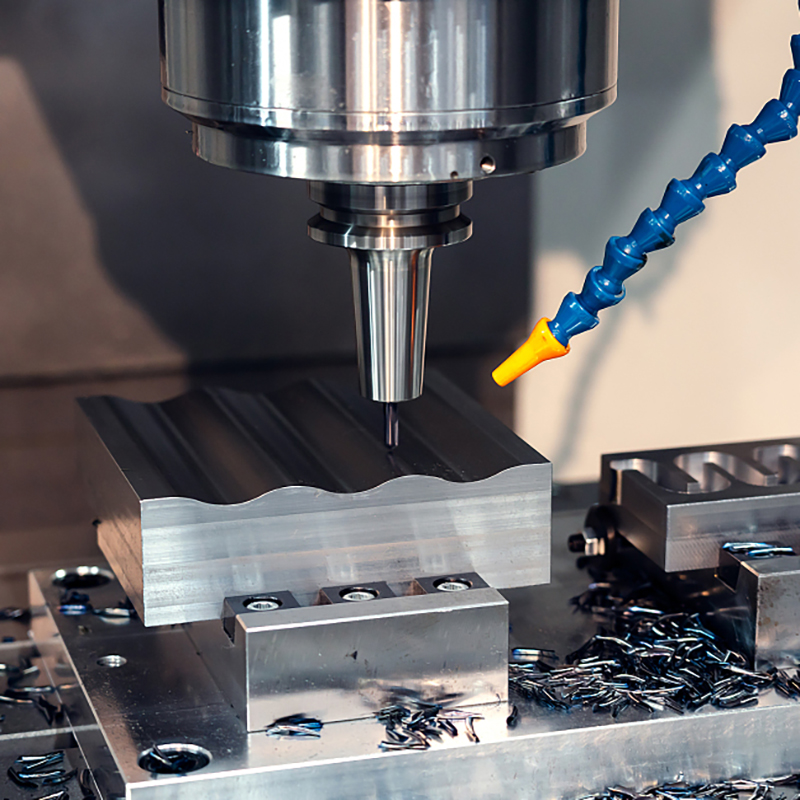
①The drilling is easy to operate, and the machine tool adopts numerical control control to realize one-key processing.
②We can ensure that the aperture is accurate, the hole wall is smooth, and the accuracy can reach ±0.005inch.
③The processing time is short, only 1/15 of traditional wire cutting.
④Batch processing can save much time.
⑤The drilling process is compatible with various metal drilling processes, compatible with various types of drilling parts, and has the characteristics of high precision.
CNC Drilling Metal Parts And Non-Metal Parts —- Used For CNC Drilling Precision Parts Materials
Metal: Aluminum, Aviation Aluminum, Brass, Bronze, Carbon Steel, Alloy Steel, Stainless Steel, Titanium Alloy, Nickel Alloy
Plastic: PA66, ABS, POM, PVC, PEEK, PAI, Acrylic
VENSUN MACHINERY CNC Drilling Surface Treatment
①Polishing:It refers to the use of mechanical, chemical or electrochemical action to reduce the surface roughness of the workpiece to obtain a bright and smooth surface. It is the use of polishing tools and abrasive particles or other polishing media to modify the surface of the workpiece.
②Sandblasting:Using compressed air as the power to form a high-speed jet beam to spray the blasting material (copper ore, quartz sand, emery, iron sand, Hainan sand) to the surface of the workpiece to be treated at a high speed, so that the outer surface of the workpiece surface or The shape changes. The mechanical properties of the surface of the workpiece are improved, so the fatigue resistance of the workpiece is improved, the adhesion between it and the coating is increased, the durability of the coating film is prolonged, and it is also conducive to the leveling and decoration of the coating.
③Anodizing:An electrolytic oxidation process in which the surface of aluminum and aluminum alloys is usually transformed into an oxide film that has protective, decorative, and other functional properties. Such as surface coloring, improving corrosion resistance, enhancing wear resistance and hardness, protecting metal surfaces, etc.
④Electrophpresis:Its process is divided into anodic electrophoresis and cathodic electrophoresis. If the paint particles are negatively charged, the workpiece is the anode, and the paint particles are deposited on the workpiece to form a film under the action of the electric field force, which is called anodic electrophoresis; on the contrary, if the paint particles are positively charged, the workpiece is the cathode, and the paint particles are deposited on the workpiece, which is called cathodic electrophoresis.
⑤Electroplating:It is a process of using electrolysis to attach a layer of the metal film to the surface of metal or other materials to prevent metal oxidation (such as rust), improve wear resistance, electrical conductivity, reflectivity, and corrosion resistance , etc.) and enhance aesthetics. The outer layers of many coins are also electroplated.
⑥Etching:The etching commonly referred to is also called photochemical etching, which refers to the removal of the protective film in the area to be etched after exposure to plate making and development, and contact with chemical solution during etching to achieve the effect of dissolution and corrosion, forming concave-convex or hollow molding effect.